 Best choice
Winter in Tromsø
Orcas and humpback whales
- Time
- Nov. to Jan.
- Species
- Orca, humpback whale
- Light
- Polar Night
Guides
Language
EnglishCurrency
US dollar · $Your currency applies on GetYourGuide too.
Guide · Summer
An honest answer upfront: the whale season in Tromsø is in winter. Here you can find out why that is, what summer offers instead, and where you can still see whales in the north.
Editor's note: tromsowalbeobachtung.deUpdated on October 3, 20266 min read13 sources
In short
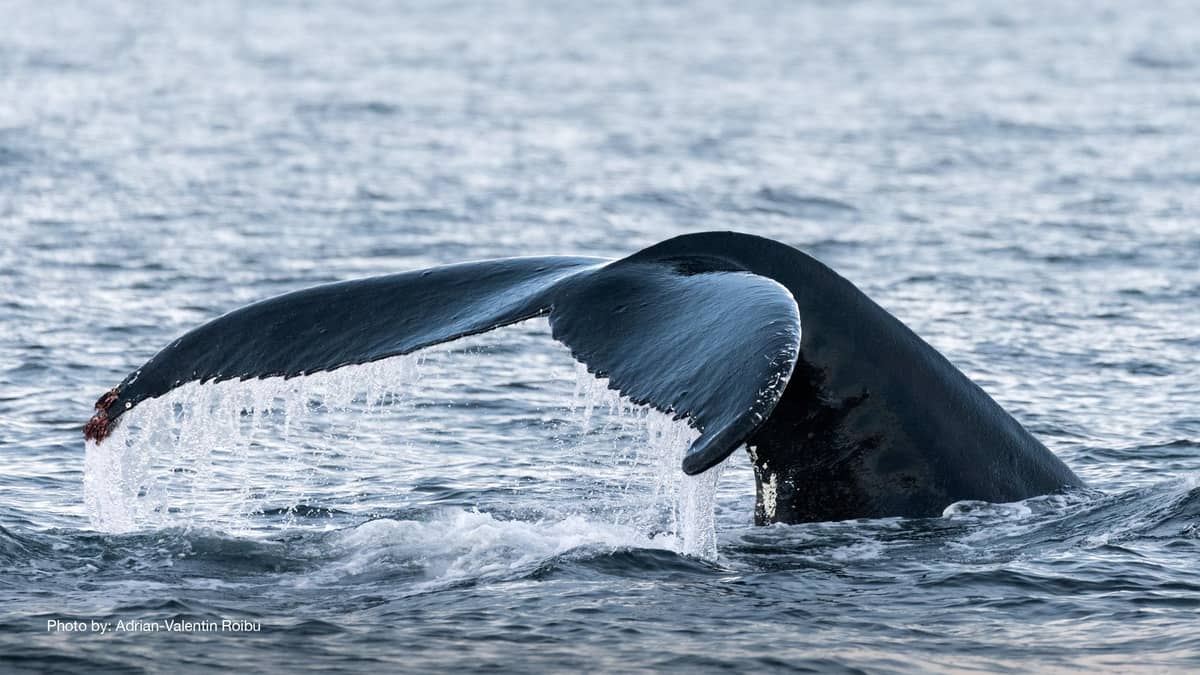
Many plan their Norway trip for the summer and hope to see whales along the way. Unfortunately, that is difficult in Tromsø. The region's whale season usually runs from early November to late January, so summer is not part of it.1 This has nothing to do with the weather or the availability of operators, but with the animals themselves.
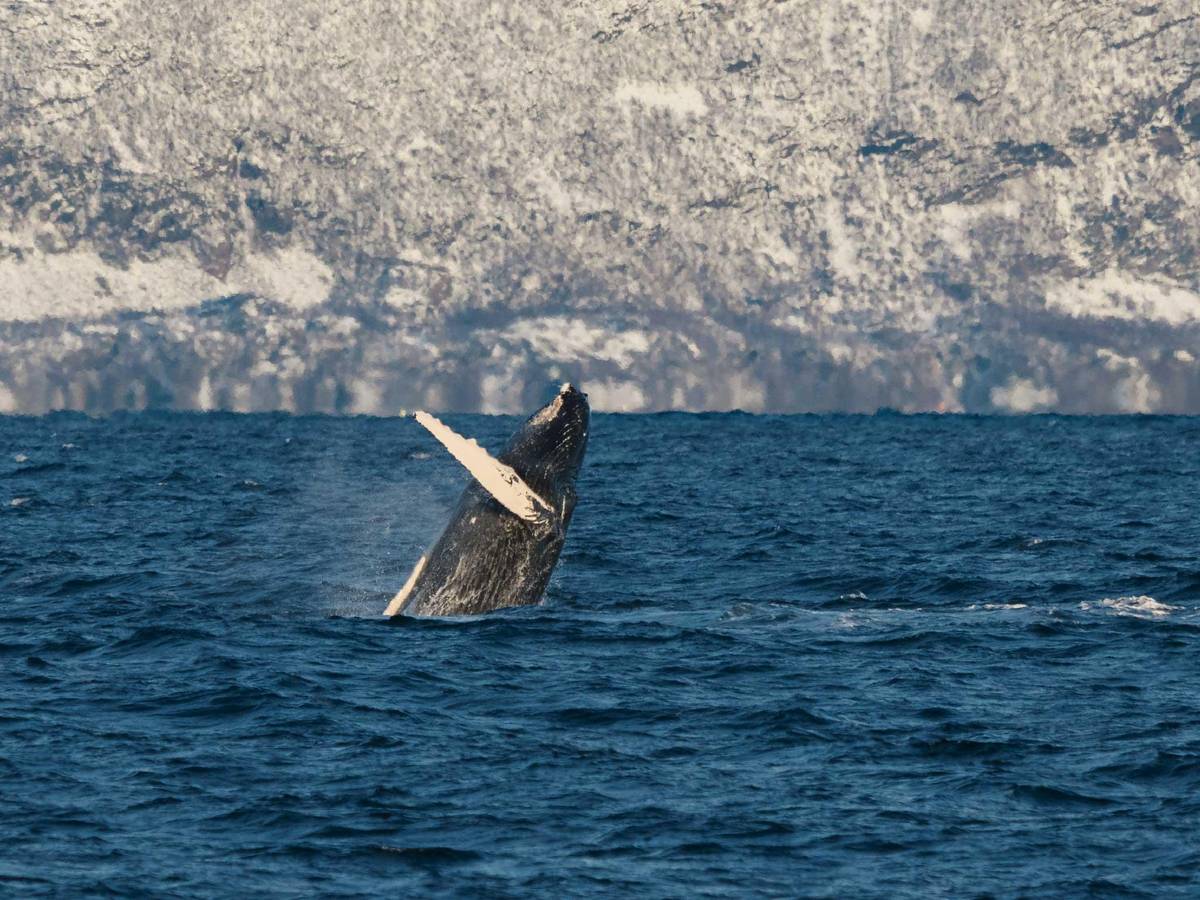
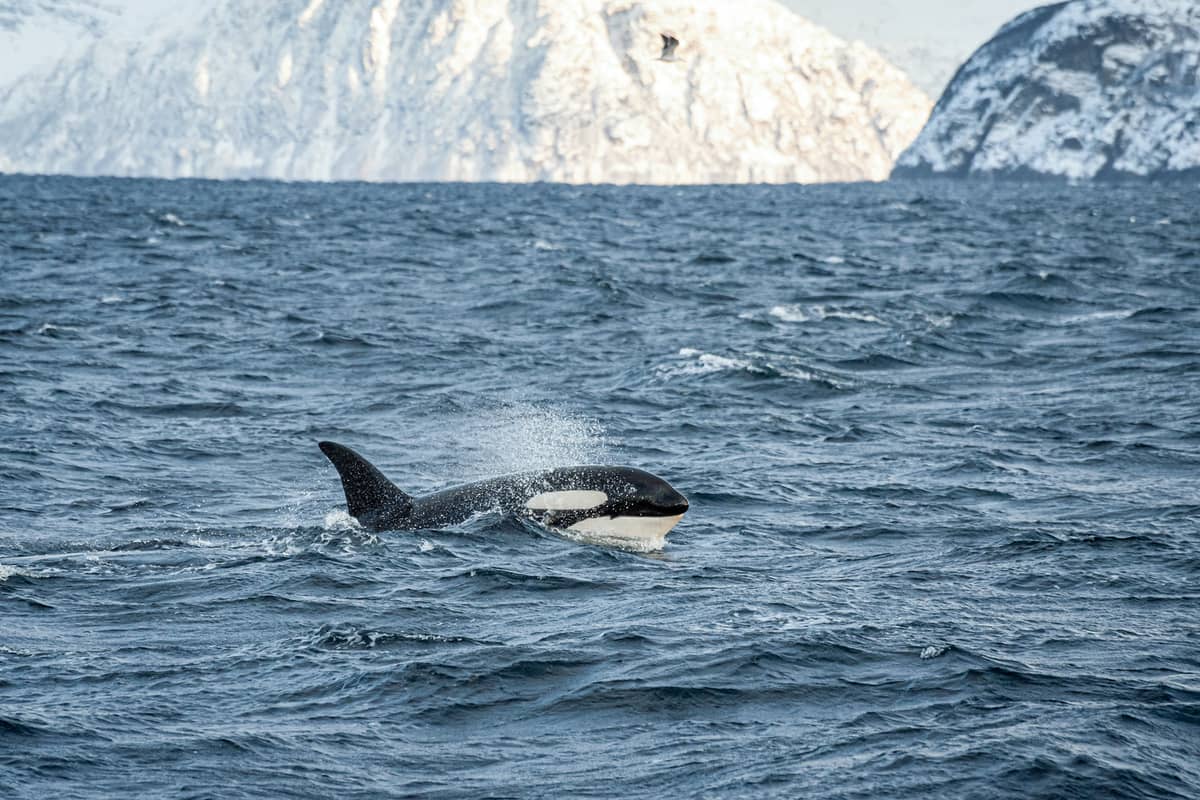
Orcas and humpback whales come into the region in winter to feed on herring.2 When the herring is gone, the whales move on as well. For example, humpback whales migrate to their breeding grounds in the Caribbean or in West Africa, where they barely feed.5 In summer, the fjords around Tromsø are therefore quiet.
That does not mean you will never see an animal in the water in summer. Individual encounters are possible, but they cannot be planned. If you want to center your trip around whales, you should not choose summer in Tromsø for that and instead opt for winter or look for alternatives further south. This honesty saves you an expensive disappointment, because a trip without whales can quickly feel like wasted time after a long day on the water.
The Year
May to July
The sun in Tromsø does not set.4
Summer
Whale safaris during the midnight sun.3
Autumn
Humpback whales migrate south and stop along the coast.5
November to January
Orcas and humpback whales feed on herring.6
Later
The humpback whales migrate to their mating grounds.5
If you are in northern Norway in summer and absolutely want to see whales, it is worth looking at Andenes in Vesterålen. There, operators offer whale watching tours in the midnight sun in summer, during which you mainly observe sperm whales.3 Andenes lies southwest of Tromsø and can be reached from there by car, ferry, or plane.
The big advantage of Andenes is its proximity to deep sea. Sperm whales dive to great depths for squid, and that deep water lies not far from the coast off Andenes. This means the boats can reach the animals in a comparatively short time, even when no whales can be found off Tromsø.
However, plan enough time for an excursion to Andenes. From Tromsø, it is not a day trip you can fit in alongside other plans, but a separate leg of your trip. Anyone visiting Vesterålen or the Lofoten anyway can easily include the whale watching tour there.
Month by Month
Summer versus winter
| Winter | Summer | |
|---|---|---|
| Whales near Tromsø | Season, mostly November to January6 | No season |
| Light | Polar night, late November to late January7 | Midnight sun, roughly 20 May to 22 July4 |
| Temperature | Average around minus 4 degrees8 | mild |
| Northern lights | Possible | Too bright |
| Whales nearby | Kvænangen and Skjervøy9 | Andenes3 |
Time frames based on the sources mentioned; the whale season varies from year to year.
Three options
Best choiceOrcas and humpback whales
 Summer alternative
Sperm whales in the North Sea
 For the landscape
Fjords without whales
Decision helper
Choose when and how you travel.
The season usually runs from early November to late January.6
There are whale safaris during the midnight sun.3
Midnight sun roughly from May 20 to July 22.4
The polar night lasts from late November to late January.7
The midnight sun in Tromsø usually lasts from about May 20 to July 22.
A whale watching tour off Andenes differs significantly from a winter trip departing from Tromsø. Instead of through sheltered fjords, you head out onto open sea, where the swell can be stronger. If you get seasick easily, you should eat something beforehand, bring medication, and find a seat in the middle of the boat on board.10
Even in summer, the North Sea is cool, especially when there is a headwind and in the evening hours. Pack a warm jacket, a hat, and gloves, even if it is pleasantly warm on land. A windproof layer over your clothing makes a difference when you stand on deck for a long time waiting for a sperm whale to blow.
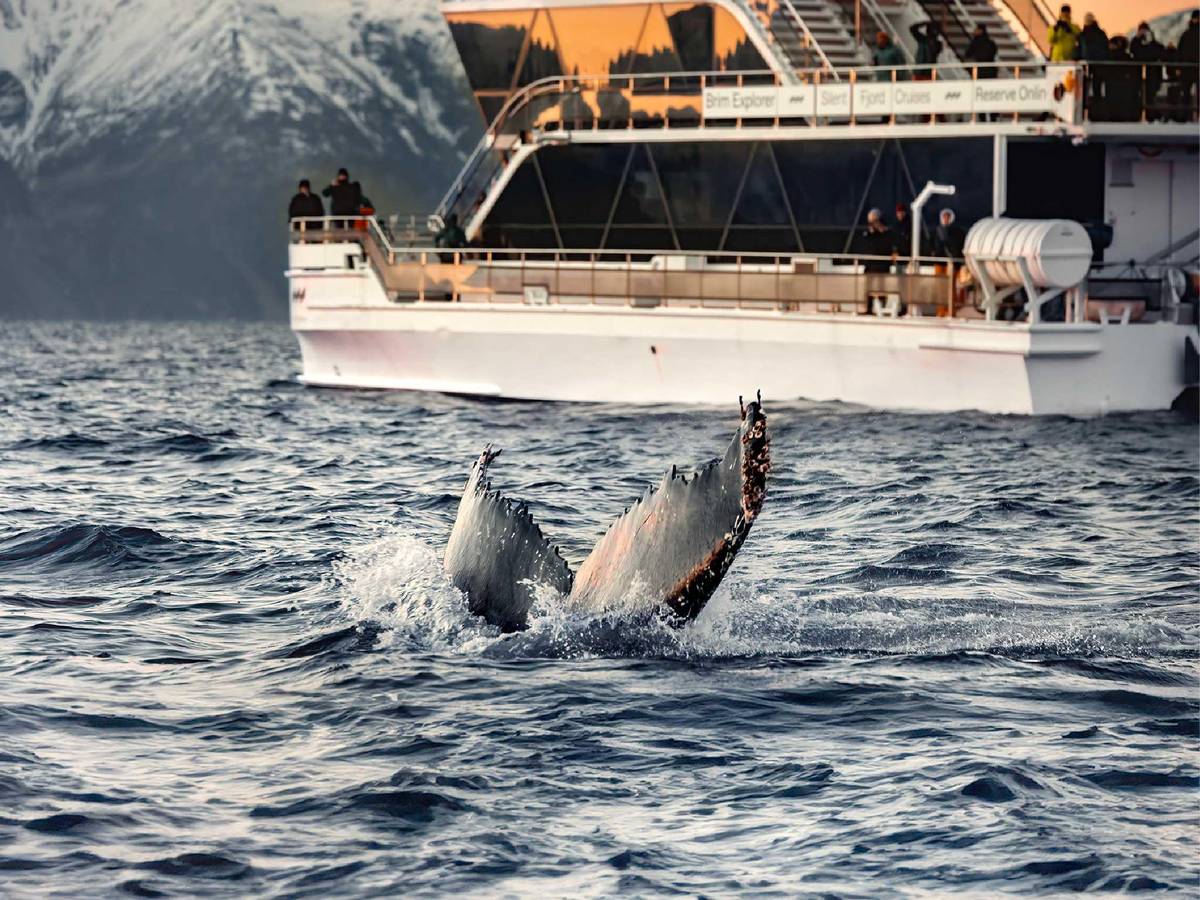
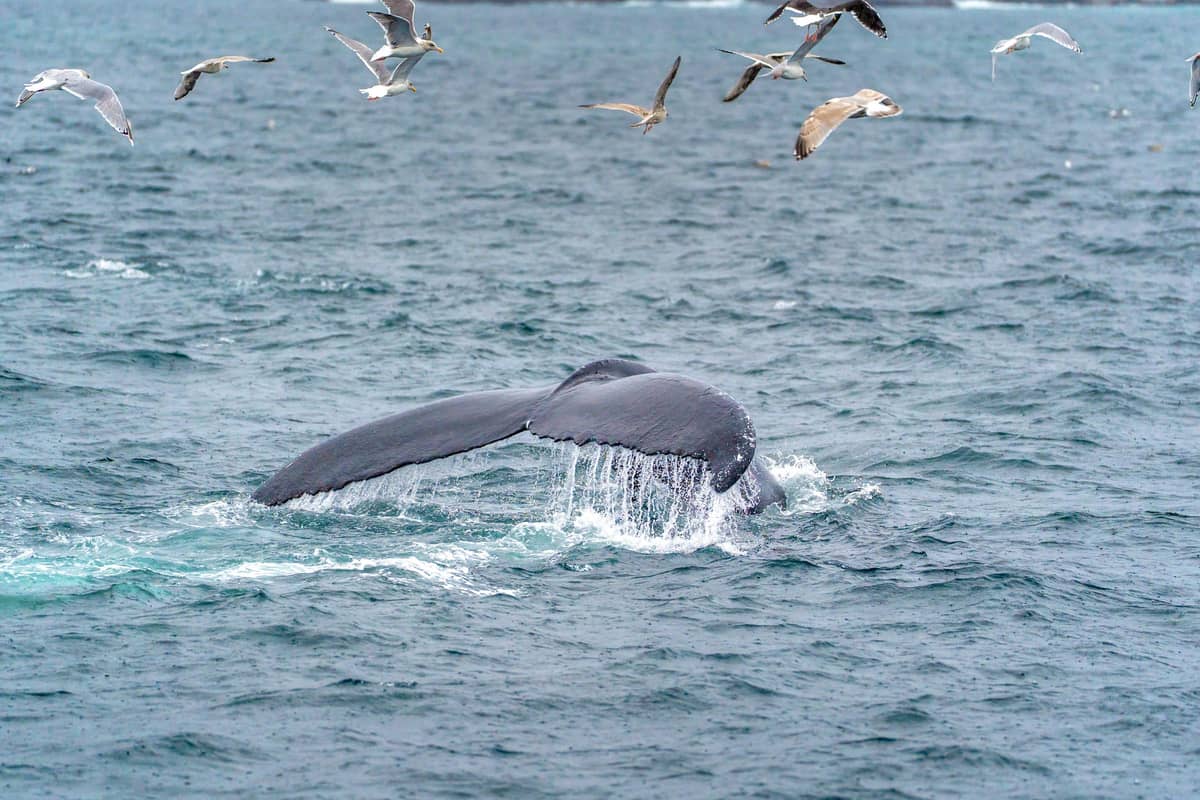
Sperm whales behave differently from the orcas and humpback whales in winter. They dive long and deep, and there can be a lot of time between sightings. When a sperm whale lies at the surface and breathes, you have time for photos. When it raises its tail fluke, that is its farewell for the next long dive.
Checklist
Video
The video only loads when you tap Play.
Summer in Tromsø has its own magic: the midnight sun. It usually lasts in Tromsø from about May 20 to July 22.4 During this time, the sun does not set, and you can hike, paddle, or take a boat through the fjords in sunlight at midnight.
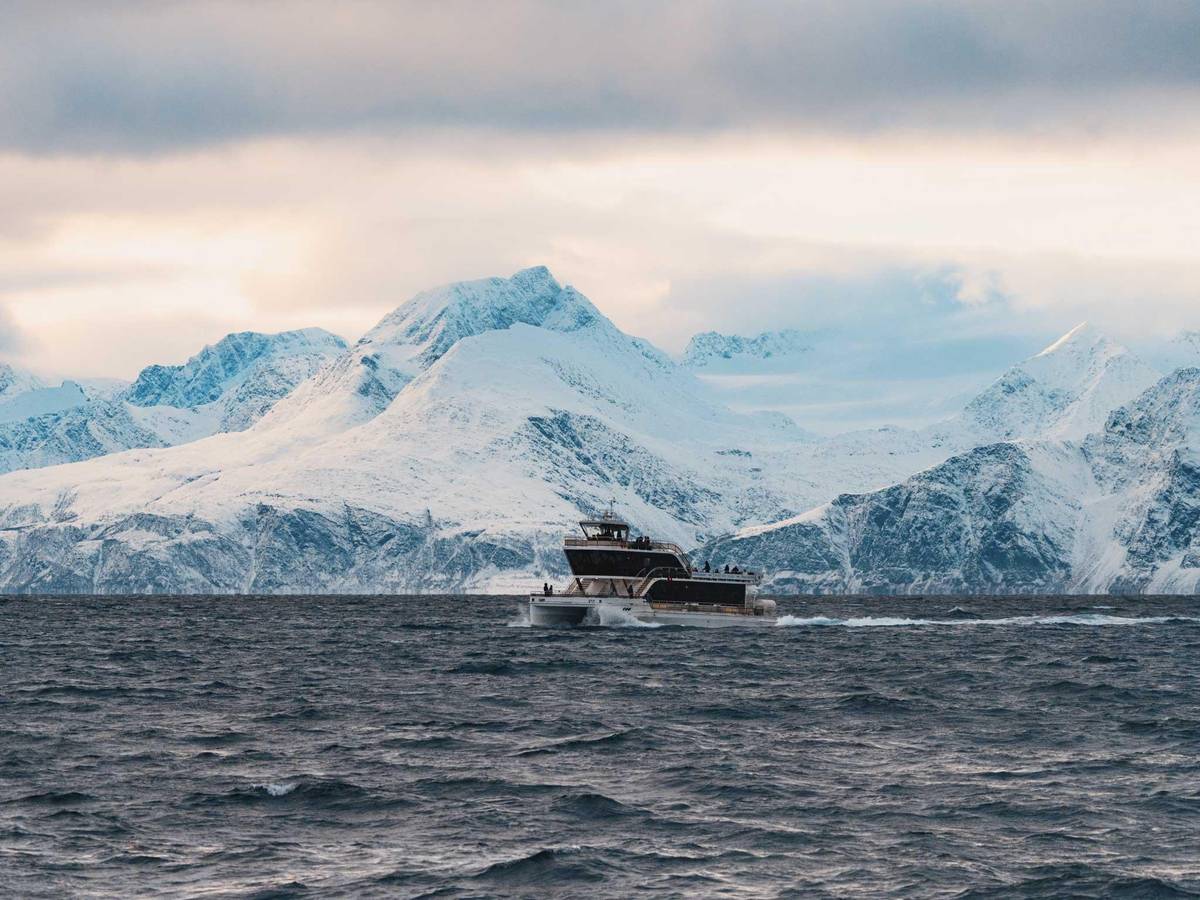
Fjord trips are also worth it in summer, just with a different focus. Instead of whales, you see green islands, seabirds, and with a bit of luck white-tailed eagles circling above the water. Guided tours in the region look for white-tailed eagles, seals, and seabirds in addition to whales.11 The light is soft and long, ideal for photography.
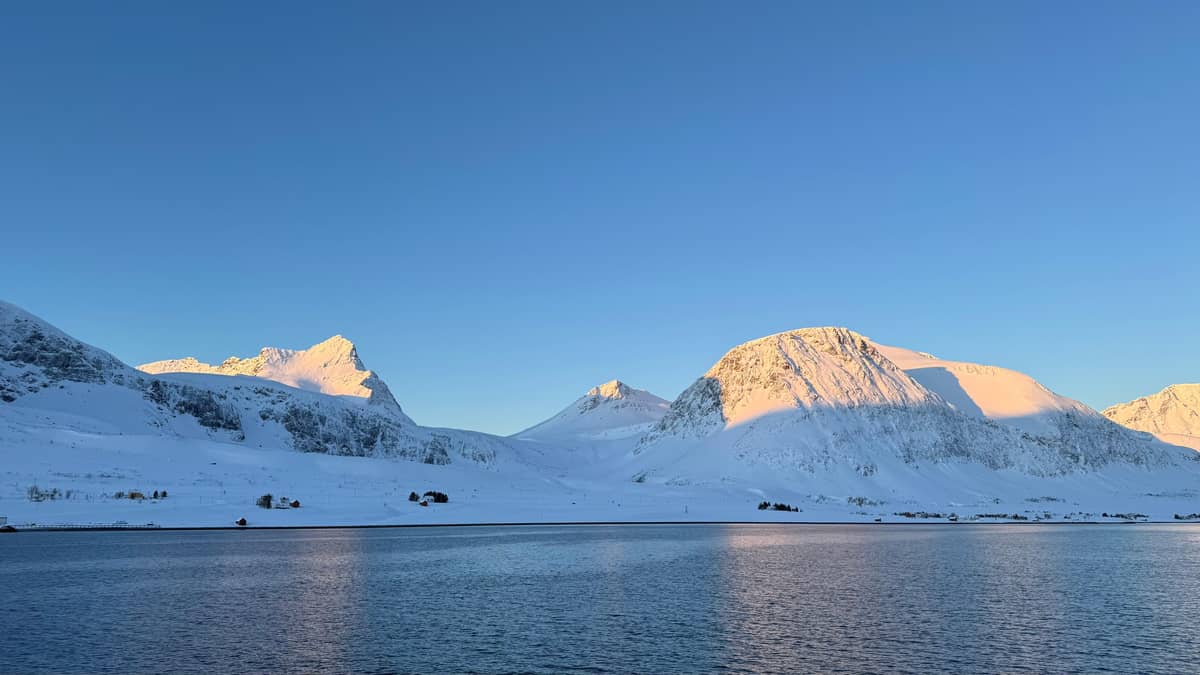
Those who love nature will find many hiking trails, mountains with wide views, and quiet beaches around Tromsø in summer. The Lyngen Alps with their high peaks and glaciers are then a popular destination for hikers.12 Summer is therefore not a bad time to visit, just not a time for whales.
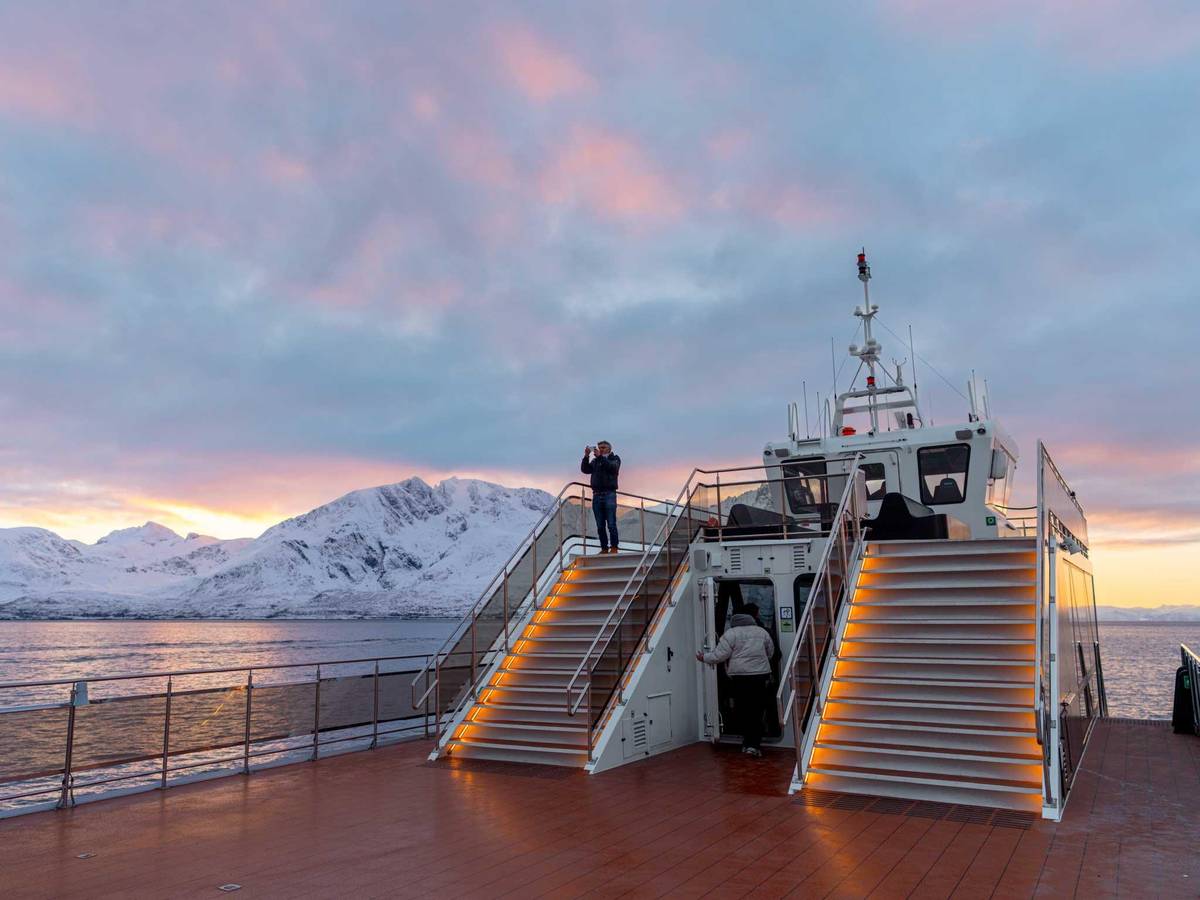
In winter, it is dark and cold in Tromsø. Mid-December and mid-January, the sun stays completely below the horizon in Tromsø.13 In return, you have the chance to see orcas, humpback whales, and the northern lights on the same day. The average winter temperature is around minus 4 degrees.8
In summer, on the other hand, it is light and milder. Mid-June and mid-July, Tromsø has on average 24 hours of sun above the horizon.13 However, the sky is too bright for the northern lights, and whale watching tours from Tromsø are suspended. A summer visit is a completely different trip with different highlights.
Both seasons have their charm. If whales matter most to you, the decision is clear: come in winter. If hiking, light, and long days matter more to you, summer is the right choice, and you can simply see the whales on a second visit. Think about what picture you want to take home with you before booking: the blow of a humpback whale in the blue twilight or the golden sun at midnight.
The transition seasons are hard to predict. In autumn, humpback whales begin their migration south and have, in recent years, been staying along the coast of Troms and Nordland for longer periods.5 By late October, there may be first sightings, but it is not entirely certain.
In spring the situation is similar. The season usually ends in late January, though the exact timing varies from year to year.6 Sightings become rarer from February onward, and by March at the latest the main season is over. If you travel in spring, do not plan a whale safari too rigidly. When traveling at the edge of the season, it helps to choose a tour with free cancellation and check the situation shortly beforehand.
For a secure plan, December remains the best month. It sits in the middle of the season and gives you a buffer if a trip is canceled due to weather. November and early January are good alternatives if December does not fit.
If your holiday is only possible in summer, you do not have to do without whales entirely. Plan your route so it goes via Andenes, and book a whale safari there during the midnight sun.3 The combination of Tromsø and the Vesterålen is, for the landscape alone, one of the most beautiful routes in the north.
In Tromsø itself you then enjoy the midnight sun, a fjord cruise, the Arctic Cathedral, and the cable car up to the city's mountain. Treat yourself to a night when you do not sleep, but sit by the water at midnight. You will only find this atmosphere in the far north.
And if the north once gets under your skin, come back in winter. Then you see the same fjords in blue and white, with orcas and humpback whales hunting the herring. It is the same landscape, but a completely different experience, and it is precisely this contrast that makes a second visit so appealing.
Book the tour
Reserve your spot, pay later, cancel free of charge up to 24 hours before departure.
Hardly. The whale season usually runs from early November to late January; summer is not part of it.1
For example in Andenes. There, operators offer whale safaris during the midnight sun.3
Approximately from May 20 to July 22. During this time the sun in Tromsø usually does not set.4
Because of the herring. Orcas and humpback whales feed on herring in the region in winter.2
To the Caribbean or to West Africa. That is where their mating grounds are, where they barely eat.5
Yes, for the landscape and the birds. Tours in the region also look for white-tailed eagles, seals, and seabirds.11
Sources
Read more